
Bathroom and Indoor Waterproofing in Johannesburg
Waterproofing for bathrooms, showers, kitchens and wet areas, applied under the tiles and on internal walls. A flexible, single component polyurethane membrane that bonds even to damp surfaces, guaranteed for 10 years when our team applies it.
Where Water Gets In, and What It Costs to Ignore
Most indoor leaks start where you cannot see them. Water works its way through grout and tile joints in a shower, around a basin, or along the join between a floor and a wall, and it soaks into the screed and brickwork for months before a stain appears on the other side.
By then the tiles are lifting, the plaster is blowing and mould has started. Waterproofing under the tiles stops water before it reaches the structure, and it costs a fraction of stripping out a bathroom later.
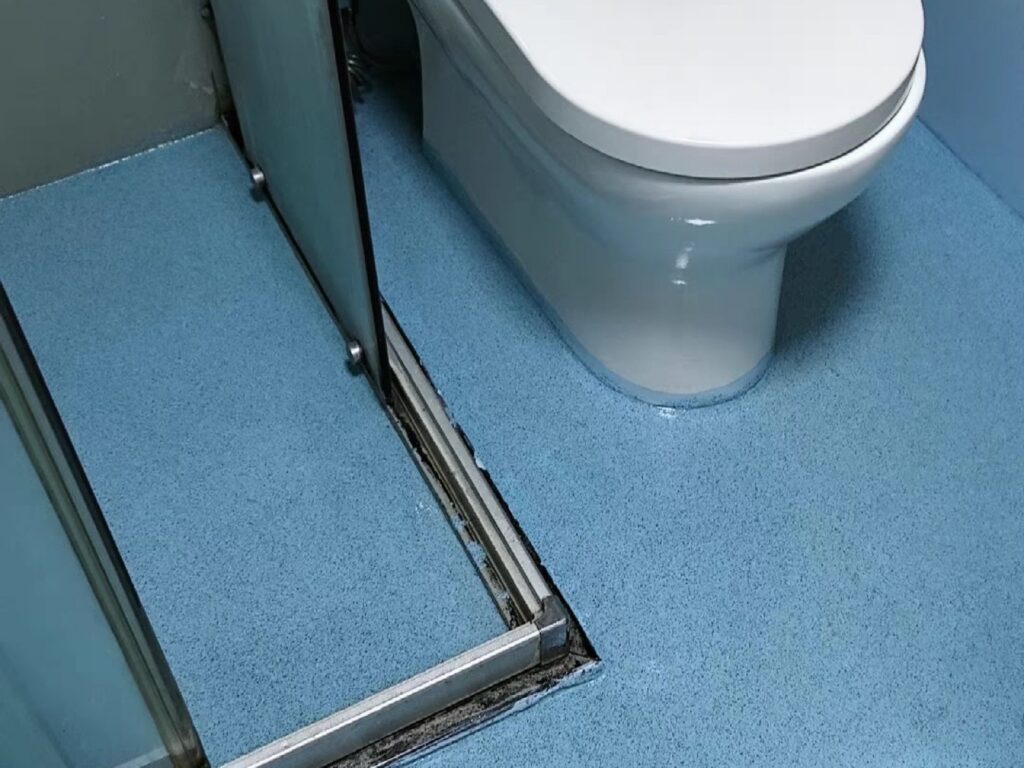
Shower and Bathroom Waterproofing
Showers are the most common source of indoor leaks. We apply the membrane across the floor and up the walls before tiling, and treat every corner, drain and pipe first, since that is where water usually gets through. The result is one continuous waterproof layer behind the tiles, with no seams or joints.
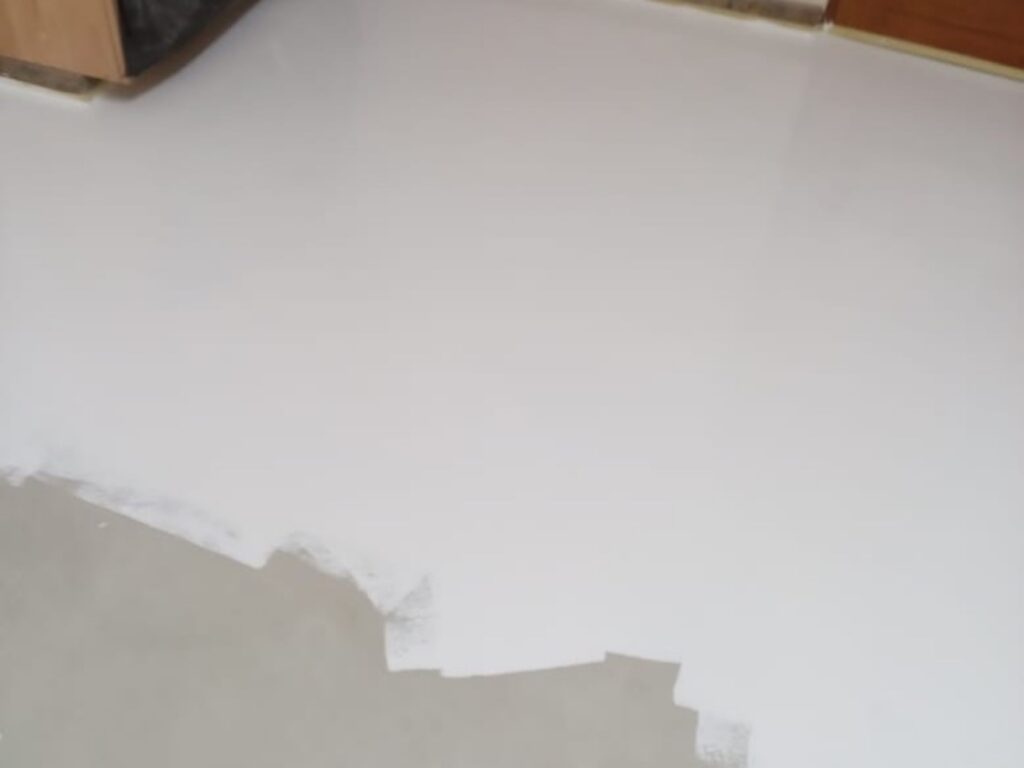
Kitchens, Laundries and Wet Areas
Any room where water is used every day, including kitchens, laundries, sculleries, basins and wash areas. The membrane goes down before the floor or wall finish, so it protects the room for the life of the tiles above it.
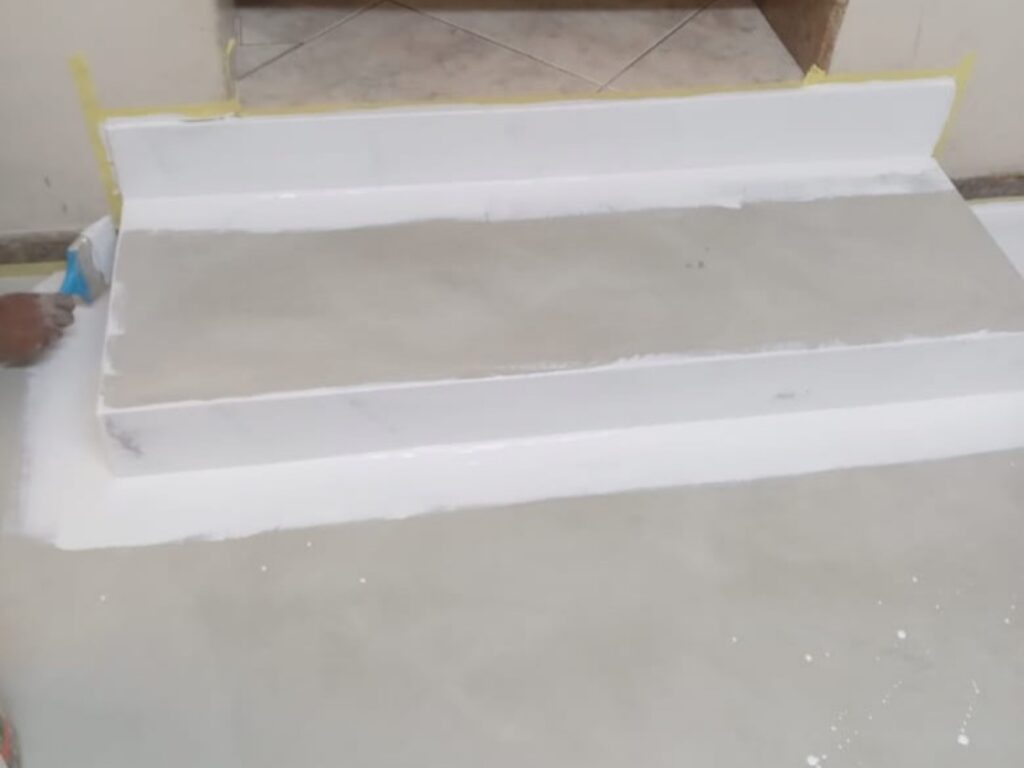
Damp Proofing Internal Walls
We coat internal walls and basements to stop damp passing through them. The system bonds even to a damp surface, which is what makes it useful on a wall that is already affected.
Please note that this is a coating applied to the wall. If damp is rising up through the brickwork from below, a coating manages the surface but does not treat the cause, and we will tell you that on site rather than sell you the wrong solution.
Working With Your Tiler
Waterproofing goes on before the tiles, so timing matters. We can work alongside your tiler or builder, or waterproof a room so it is ready for tiling. The membrane is built up in three to four coats and each coat has to dry fully before the next, so we agree the schedule with you before we start.
Concerned About a Bathroom Leak?
The System We Use
Property
Performance
Type
Single component water based polyurethane, solvent free
Applied thickness
1.5mm to 2mm, built up over three to four coats
Elongation
Up to 350 percent, so it moves with the building and bridges hairline cracks
Bond strength
1 MPa, including onto a damp surface
Watertightness
0.3 MPa held for 60 minutes
VOC content
80 g/L or lower, suitable for indoor use
Guarantee
10 years when applied by our own team
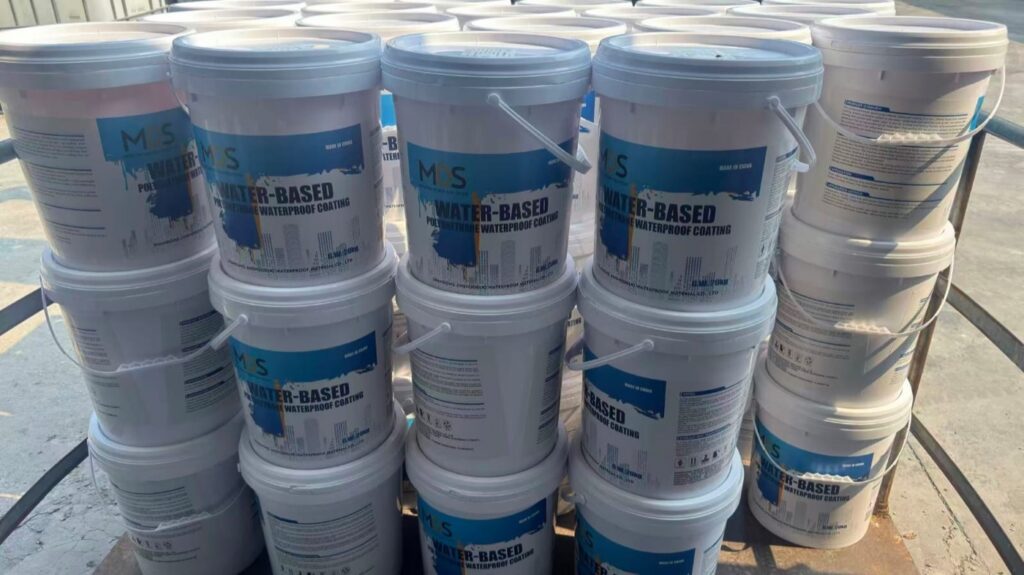
How a Waterproofing Job Runs
Inspect
We inspect the room and find where the water is actually getting in.
Prepare
We remove failed coatings, repair cracks and prepare a clean, even surface.
Treat the details
We treat the details first: corners, drains, joints and pipes, with reinforcing fabric where needed.
Apply the coats
We apply three to four coats, letting each dry fully before the next.
Inspect and hand over
We inspect the finished membrane before the tiles go down, and hand over your guarantee.
What Affects the Price
- The size of the room or area
- How much old tiling, coating or damaged plaster has to come off first
- The number of details, such as drains, pipes, corners and joints
- Whether the room is being waterproofed before new tiles or as part of a repair
Get an Assessment
Waterproofing Questions We Get Asked
What is waterproofing, and does a bathroom need it?
Waterproofing is a membrane applied to a surface so that water cannot pass through it. Every shower and wet area should have one under the tiles, because tiles and grout on their own are not waterproof.
Do you waterproof under tiles?
Yes. That is where waterproofing does its job in a bathroom or shower. The membrane goes down on the screed and walls before tiling, so it sits behind the tiles for their whole life.
How do you repair a damp internal wall?
We find the source first. Once the cause is dealt with, the wall is prepared and coated with our waterproofing system, which bonds even to a damp surface. Where the damp is coming up from below rather than through the wall, we will tell you honestly what a coating will and will not do.
What causes damp walls?
Usually a leaking pipe or roof, water rising from the ground, or waterproofing that has failed or was never there. Finding which one it is decides the repair.
Is rising damp dangerous?
It damages plaster, paint and brickwork, and the mould that comes with it can make people in the building ill. It gets worse and more expensive the longer it is left.
How long does waterproofing last?
Our system carries a 10 year guarantee when our own team applies it.
Do you waterproof roofs or outside walls?
Not at the moment. Our waterproofing system is designed for indoor use, such as bathrooms, showers, kitchens and internal walls.
Book an Inspection
Tell us which room is giving you trouble, or which room you are about to tile, and we will come and look at it.
Phone: 083 641 3039